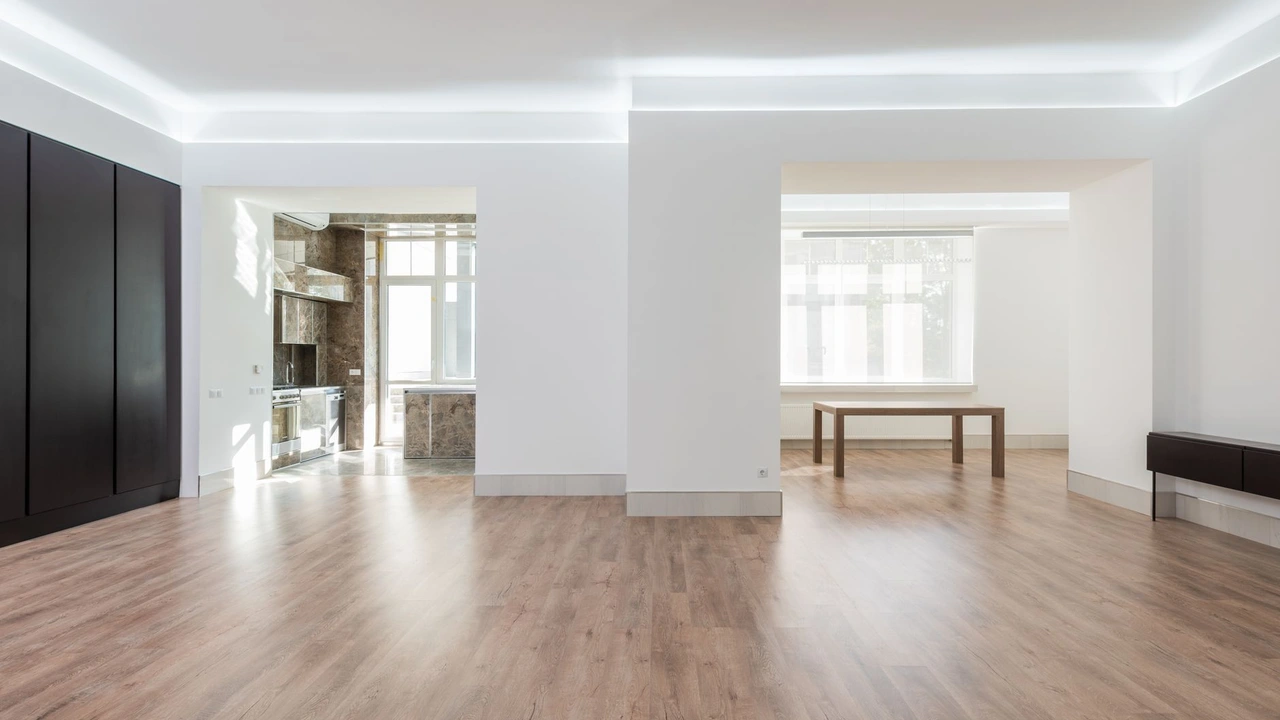

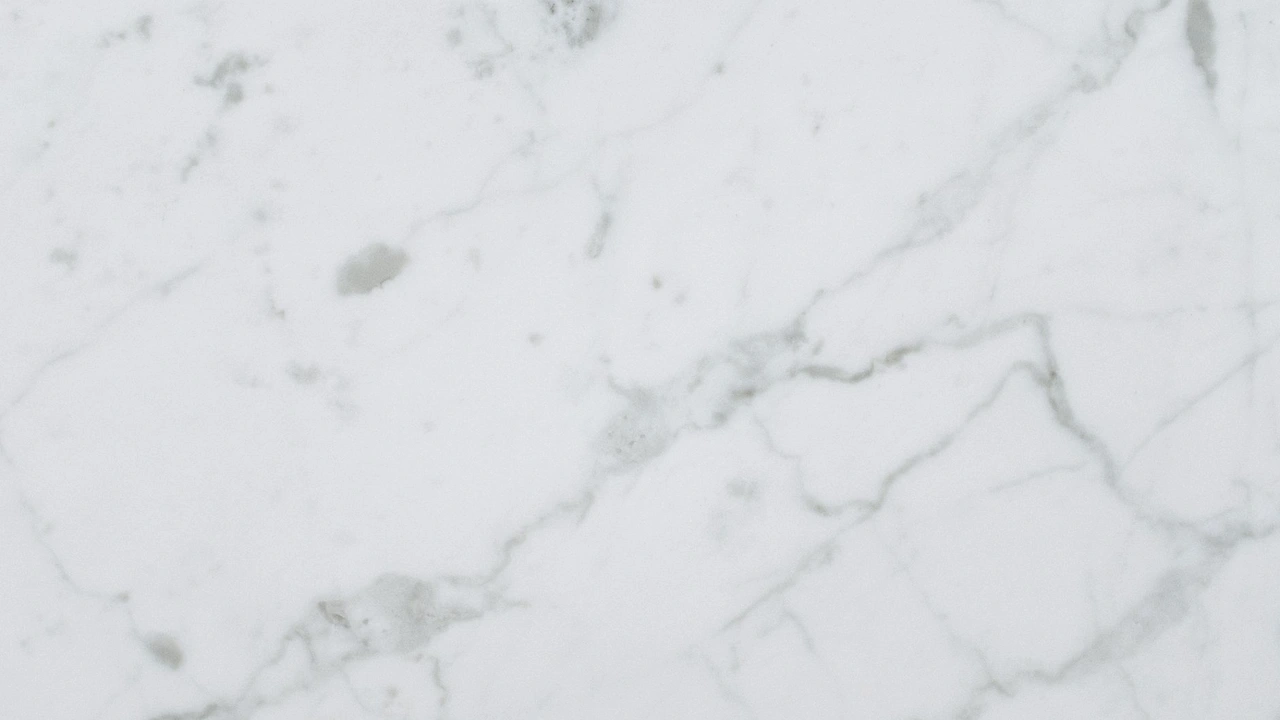
1. Identify the floor and its finish
Before arranging floor cleaning, confirm whether the surface is marble, travertine, another natural stone, porcelain, laminate or wood. Share the installer or manufacturer care instructions, photographs and any information about coatings or sealers.
Cleaning Pro Dubai can use that information to assess the requested work and select suitable equipment. Owning a floor scrubber does not mean every surface should be machine-scrubbed.
2. Separate soil from surface damage
A dull patch or visible mark may be soil, staining, scratching, etching or a worn coating. These do not all respond to cleaning in the same way. Ask for assessment before accepting a promise that washing or scrubbing will restore the original finish.
The Natural Stone Institute care guidance explains that acidic products can etch calcium-based stone such as marble, while abrasive cleaners can scratch surfaces.
3. Match the cleaner to the material
Use the surface care instructions and the cleaning product label to select a compatible method. Natural-stone guidance generally recommends suitable neutral cleaners or mild soap, followed by appropriate rinsing and drying. A product pH alone does not establish suitability for every finish.
Tell the team about previous treatments and any sensitivities before the appointment. Request details of the proposed product if you need to check compatibility with your installer.
4. Agree machine cleaning separately from restoration
Cleaning Pro Dubai has single-disc floor scrubbers and wet-and-dry vacuums. Machine use depends on the surface, condition, access and agreed scope. Delicate finishes and edges may need a different approach.
Diamond honing, polishing, crystallisation and coating removal are specialist processes. They are not automatically included in a floor-cleaning quote and should not be promised without assessment and confirmation of the service.
5. Follow the wood-floor care instructions
For wood, engineered wood and laminate, provide the specific care guidance rather than treating them like stone tiles. Confirm which cleaning products and moisture levels the manufacturer permits. Flag lifting edges, gaps, swelling or finish damage before work begins.
6. Compare quotes using practical details
- Floor type, approximate area and current condition.
- Accessible areas and furniture that will remain in place.
- Proposed method and any product restrictions.
- Whether grout work, balconies or specialist restoration are included.
- Expected limitations and arrangements for drying and access.
7. Treat sealing as a separate decision
Ask the stone supplier or a qualified restoration specialist whether sealing is needed and which product is appropriate. Do not assume every stone needs the same interval or that a sealer prevents all stains. Confirm availability, preparation and price separately from routine cleaning.
8. Reduce avoidable surface wear
The Natural Stone Institute recommends removing loose grit, using suitable mats and avoiding abrasive or acidic cleaners on sensitive stone. Keep cleaning tools in good condition. Follow the floor care instructions for everyday cleaning and spill handling.
9. Flag holes, cracks and failed joints
Photograph cracks, open joints, chipped edges and damaged fills before the visit. Cleaning and filling or repairing stone are different tasks. An assessment can help establish whether the requested result is achievable through cleaning alone.
10. Report moisture-related changes
If flooring is swollen, lifting or repeatedly damp, arrange an assessment of the moisture source. A cleaning service should not be used as a substitute for identifying leaks or repairing damaged flooring.
11. Set a routine around actual use
Review visible dust and soil regularly, especially at entrances and high-traffic areas. Follow the manufacturer maintenance schedule where one is provided. The next professional visit should reflect the condition and use of the floor, rather than a universal timetable.
12. Give specialist surfaces individual attention
Tell the team about decorative stone, unusual coatings, antique finishes or materials you cannot identify. Avoid choosing a method based only on colour or appearance. The original supplier care guidance is useful when planning cleaning.
13. Assess exterior areas separately
Terraces and pool surrounds need their own scope, including material, drainage, access and existing damage. Do not assume a high-pressure wash is suitable or included. Share photographs and building restrictions before requesting the quote.
14. Get a floor-cleaning assessment
Can cleaning remove every dull patch?
No. Etching, scratches and worn finishes may need specialist restoration. Assessment comes before promising the result.
What information should I send?
Share your Dubai location, floor type, approximate area, photographs and any care instructions. Cleaning Pro Dubai can then confirm the suitable scope and available appointment.